Journal Publication
The fact that the names of various literary journals and their editors are included in the Acknowledgements pages of several of the essay collections, and in Words of the Grey Wind, highlights the importance of publishing essays singly before collecting them together and revising them into book form.
Chris Arthur's essays have appeared in a range of journals and his habit of placing them there en route to the books is evidently an important part of his writing strategy.
One of his mentors on the essay form, Richard Chadbourne (Emeritus Professor of French at the University of Calgary), makes the point that the essay is "capable both of standing on its own and of forming a kind of 'higher organism' when assembled with other essays by its author."
Although by no means an exhaustive list, the journals pictured below give some idea of the range of publications in which Arthur's essays have "stood on their own" before being developed into what Professor Chadbourne refers to as the "higher organism" of a collection.
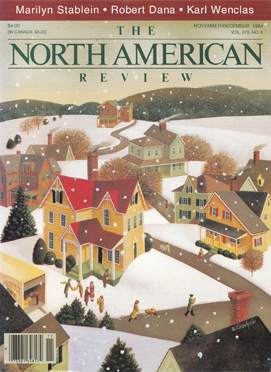
"An Image for Belfast", one of the essays in Irish Nocturnes, first appeared in The North American Review (Vol.279 no.6, November/December 1994, pp.13-15). Things have changed radically in the city of Arthur's birth since he offered this rather grim characterization of Belfast.

"Ferrule", one of the shortest essays in Arthur's oeuvre, appeared in The American Scholar (Vol.65 no.3, Summer 1996, pp.441-443) during Joseph Epstein's editorship of this journal. Epstein, himself a prolific essayist, has remarked on the connection between serial publications and the essay. "Apart from Montaigne and Bacon — and well before that, Plutarch — the development of the essay is, historically, a subset of the development and prosperity of the magazine" (The Best American Essays 1993, p. xvi, in Epstein's Guest Editor's Introduction). Just as the essays of Addison and Steele were shaped for the pages of the Tatler and the Spectator, so publications like The American Scholar exert their influence on contemporary essayists. "Ferrule" was later included in Irish Nocturnes. Joseph Epstein's most recent book of essays is In a Cardboard Belt! Essays Personal, Literary and Savage, Houghton Mifflin Harcourt, Boston: 2007.
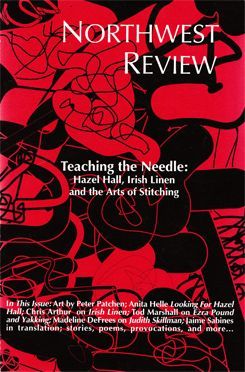
"Linen", the opening essay in Irish Nocturnes, first appeared in the Northwest Review (Vol.35 no.1, 1997, pp.26-27). The Northwest is one of America's premier literary reviews. Among the authors it has published are: Eavan Boland, Charles Bukowski, Raymond Carver, Ted Hughes, Pegeen Kelly, Ken Kesey, Ursula Le Guin, Malcolm Lowry, Joyce Carol Oates, Theodore Roethke, Gary Snyder, and Robert Penn Warren.
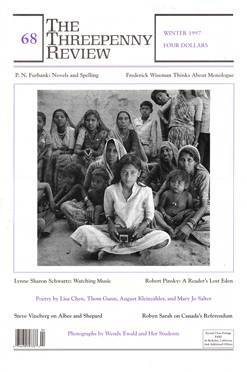
"Going Home" was first published in The Threepenny Review (Vol.17 no.4, Winter 1997, pp.10-12), where it was billed as "memoir" rather than an essay. It became the concluding piece in Irish Nocturnes.
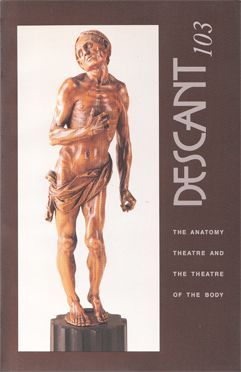
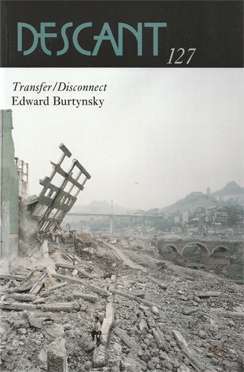
An early version of "Handscapes of the Mind", one of the essays in Irish Willow, appeared in the Canadian journal Descant (Vol.29 no.4, Winter 1998, pp.135-146). Arthur's first appearance there was as a poet — see Descant Vol.25 no.1, Spring 1994, "Sixteen Poets". Descant takes its title from a line in W.B.Yeats's poem "After Long Silence". A second essay, "Water-Glass" — which would later appear in Irish Haiku — was published in Descant 127 (Vol.35 no.4, Winter 2004, pp.198-224), an issue which included a portfolio of photographs by Edward Burtynsky — with his striking "Three Gorges Dam Project, Wan Zhou #4, Yangtze River, China 2002" on the cover.
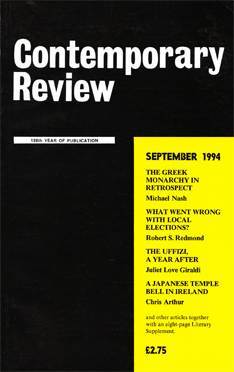
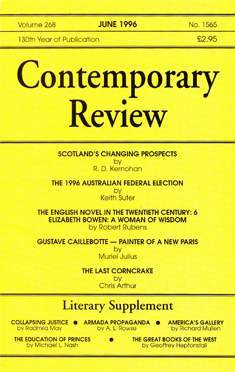
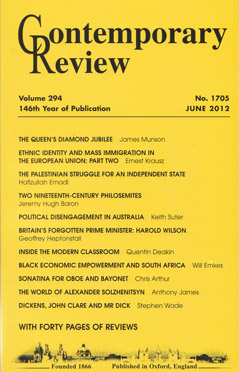
The Oxford-based Contemporary Review has published a lot of Arthur's work — including several essays not included in any of his books. He is also a frequent contributor to the journal's book review pages. Unsurprisingly, many of his reviews are of books connected to Northern Irish issues, organizations and personalities. See, for example:
- "The Truth About Ulster's Orangemen"
Vol.290, no.1688, Spring 2008, pp.101-103
Reviewing Eric P. Kaufmann, The Orange Order: A Contemporary Northern Irish History, and Henry Patterson & Eric Kaufmann, Unionism and Orangeism in Northern Ireland Since 1945: The Decline of the Loyal Family. - "A Closer Look at Protestants in Ireland"
Vol.291 no.1695, Winter 2009, pp.513-515
Reviewing Mervyn Busteed, Frank Neal & Jonathan Tonge (eds), Irish Protestant Identities. - "Religious Loyalties in Ireland"
Vol.292 no.1698, Autumn 2010, pp.373-374
Reviewing Marianne Elliott's When God Took Sides: Religion and Identity in Ireland. - "A Master Critic on Irish Literature"
Vol.293 no. 1700, Spring 2011, pp.107-109
Reviewing Terence Brown's The Literature of Ireland: Culture and Criticism.
Arthur has also written in the Contemporary Review on the struggle for religiously integrated education in Northern Ireland and on natural history in Ulster. For his review essay on Michael Parker's two-volume Northern Irish Literatures: The Imprint of History, see the Philological Quarterly, Vol.86 no.4 (Fall 2007), pp.455-461.
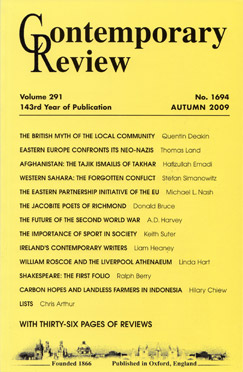
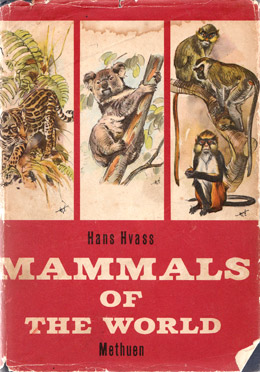
"Lists", which appeared in the Contemporary Review, Vol.291 no. 1694 (Autumn 2009), pp.364-372, takes as its point of departure a list of the mammals of the world, based on Hans Hvass's book of that title. The Contemporary Review has now ceased publication. Arthur's last essay for it was "Sonatina for Oboe and Bayonet". This appeared in Vol.294 no.1705 (June 2012), pp.209-217.
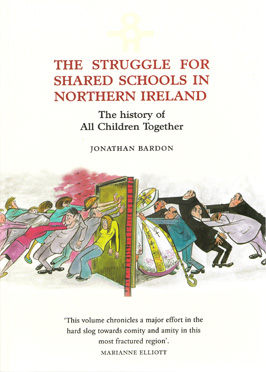
In "Shared Schools in Northern Ireland" (Contemporary Review Vol.293 no.1700, Spring 2011, pp.79-84), Chris Arthur offers an assessment of Jonathan Bardon's book. Though no mention is made of this in the article, the author royalties from Arthur's Biting the Bullet were donated to All Children Together, the same movement whose history Jonathan Bardon charts. Biting the Bullet: Some Personal Reflections on Religious Education, published by Edinburgh's St Andrew Press in 1990, is a collection of journalistic essays, many of which originally appeared in the Times Educational Supplement. The dedication in this early book of Arthur's starts with Jonathan Swift's famous comment: "We have just enough religion to make us hate, but not enough to make us love, one another". It then goes on: "This book is dedicated to those who work against religious hatred, wherever it occurs". Lagan College, the first integrated school in Northern Ireland — where Protestant and Catholic children are educated together by a religiously mixed staff and with an ethos of equal respect for the two traditions — was opened with only 28 pupils in 1981. By September 2009 there were 61 such schools, located all across the country, with a total enrolment of over 20,000 pupils. All Children Together was the key driving force behind this powerful antidote to religious hatred in Ulster.
Note: Jonathan Bardon's The Struggle for Shared Schools in Northern Ireland: The History of All Children Together is available from the Ulster Historical Foundation, 49 Malone Road, Belfast BT9 6RY. Email: enquiry@uhf.org.uk
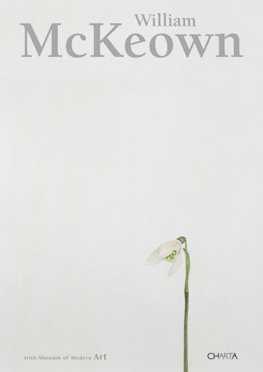
"The Last Corncrake" — which appeared in Vol.268 no.1565, June 1996, pp.315-320 — was reprinted in the Exhibition Catalogue for a William McKeown exhibition at the Irish Museum of Modern Art in Dublin in 2008/9.
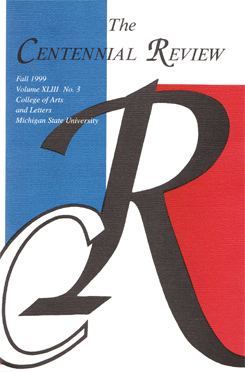
The Centennial Review was where "Meditation on the Pelvis of an Unknown Animal" and "Under Siege" first appeared (Vol.41 no.1, Winter 1997, pp.5-16; Vol.43, no.3, Fall 1999, pp.405-421). Both essays subsequently appeared in Irish Nocturnes.
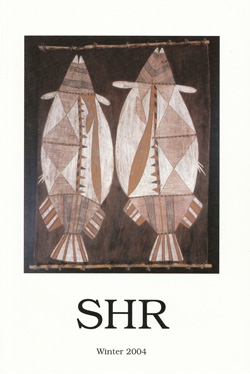
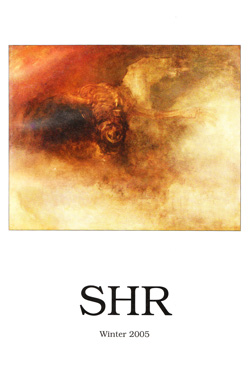
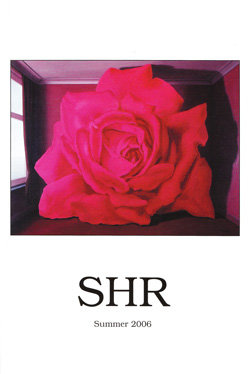
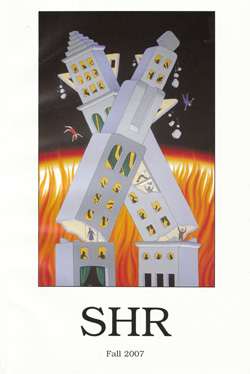
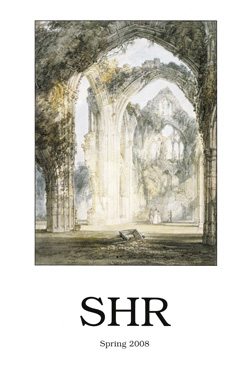
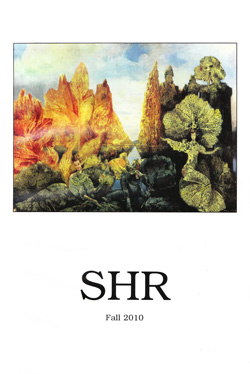
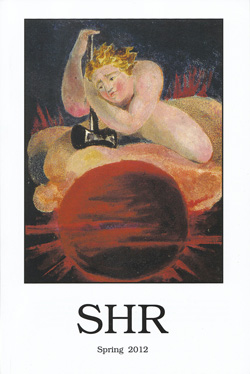
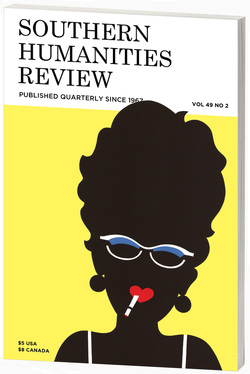
The Southern Humanities Review has published eight of Arthur's most significant essays: "Miracle Story" (which was to appear simply as "Miracles" in Irish Haiku); "Swan Song" (Irish Haiku); "Rosary" and "Boomarks" (both included in Irish Elegies); "Mistletoe" (one of the new essays in Words of the Grey Wind); "Chestnuts" and "Zen's Bull in the Tread of Memory" (both included in On the Shoreline of Knowledge). Graham Good's review of the first three essay collections appeared in the same issue as "Mistletoe". The journal awarded Arthur their Theodore Christian Hoepfner Award in 2004.
- "Miracle Story", Vol. 38 no.1, Winter 2004, pp.1-20
- "Swan Song", Vol. 39 no.1, Winter 2005, pp.1-16
- "Rosary", Vol. 40 no.3, Summer 2006, pp.213-233
- "Mistletoe", Vol. 41 no.4, Fall 2007, pp.305-323
- "Bookmarks", Vol.42 no.2, Spring 2008, pp.105-124
- "Chestnuts", Vol.44 no.4, Fall 2010, pp.373-392
- "Zen's Bull in the Tread of Memory", Vol.46 no.2, Spring 2012, pp.101-121
- "Fuchsia", Vol.49 no.2, Winter 2015, pp.61-80
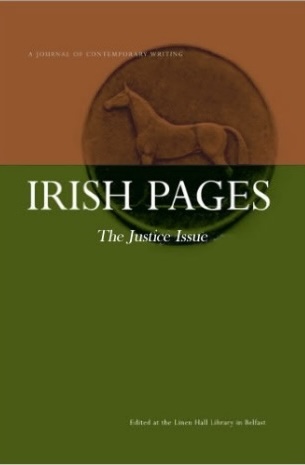
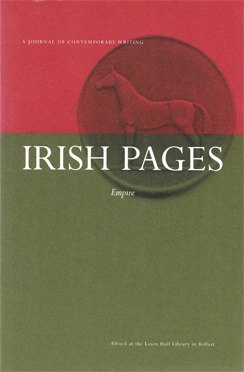
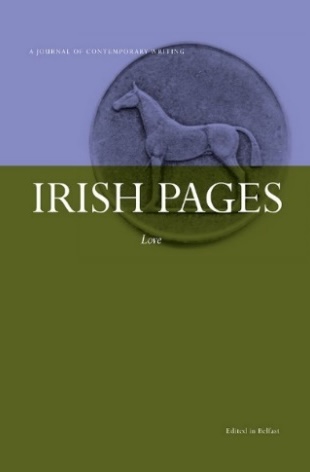
Irish Pages, a biannual journal edited in Belfast, has published several of Chris’s essays. "Doom and Expertise" appeared in Vol.1 no.2 — the Justice issue — (Autumn/Winter 2002/2003, pp.235-240). "Safety and Numbers" is in Vol.2 no.1 — the Empire issue — (Spring/Summer 2003, pp.61-74. The contributor's note on p.74 states that "Chris Arthur grew up in Bangor, Co Down." In fact he grew up in Lisburn, Co Antrim). "Safety and Numbers" was subsequently included in Irish Haiku. “Nicholson’s Horses” is included in Vol.11 no.2 — the Love issue — (2022/2023, pp.47-60). Irish Pages describes itself as "Ireland's premier literary journal, combining a large general readership with outstanding writing from Ireland and overseas."
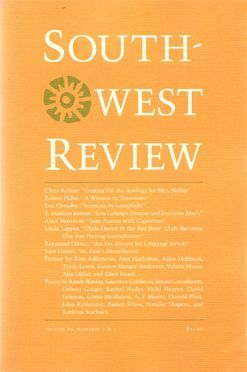
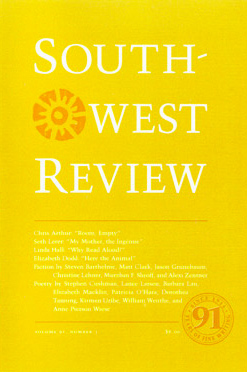
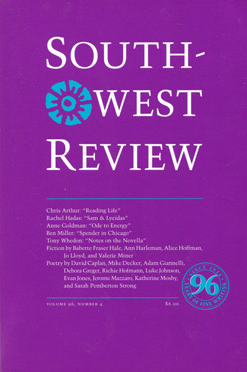
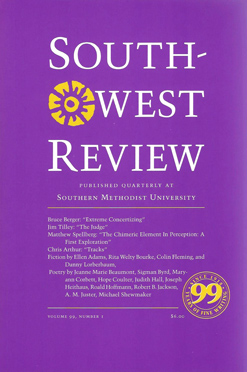
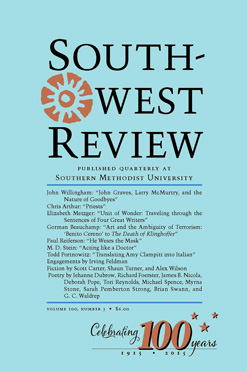
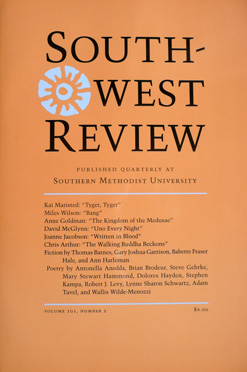
Six of Arthur's essays have appeared in the Southwest Review, "Getting Fit" (Vol. 89 nos.2&3, 2004, pp.175-191); "Room, Empty" (Vol.91 no.3, 2006, pp.295-312); "Reading Life" (Vol.96 no.4, 2011, pp.471-491); "Tracks" (Vol.99 no.1, 2014, pp.134-148); "Priests" (Vol.100 no.3, 2015, pp.307-321); and "The Walking Buddha Beckons" (Vol.101 no.2, 2016, pp.286-293). The Southwest Review is the third oldest continuously published literary quarterly in America. Contributors have included D. H. Lawrence, Maxim Gorky, Cleanth Brooks, Robert Penn Warren, Joyce Carol Oates, Amy Clampitt, James Merrill, Margaret Drabble, Iris Murdoch, Arthur Miller and Naguib Mahfouz. The journal's current editor, Willard Spiegelman, published his Seven Pleasures: Essays on Ordinary Happiness in 2009 (Farrar, Straus and Giroux, New York).
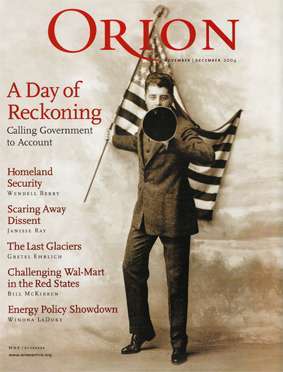
"How to See a Horse" needed a journal that would include a picture of the painting of the horses and rider on which this essay focuses (the painting is reproduced on the Irish Haiku page of this website). Orion's November/December 2004 issue (pp.36-40) offered a high quality colour reproduction.
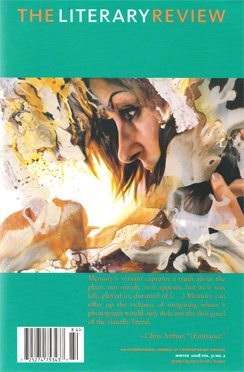

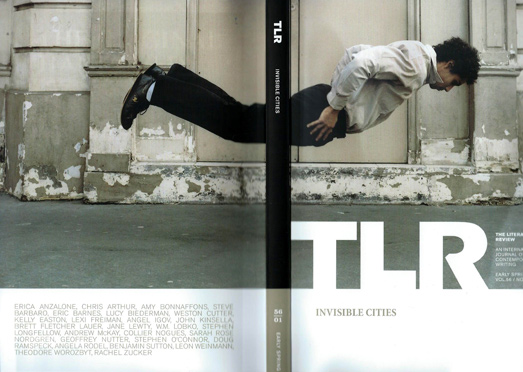
The Literary Review published "(En)trance" in its Winter 2008 issue (Vol.51 no.2, pp.23-37). Samuel Saint Thomas's "Scribbles, Fragments, and Ideas: A Conversation with Chris Arthur" appeared in the same issue (pp.38-53). "(En)trance" was subsequently selected for inclusion in The Best American Essays 2009, guest edited by Mary Oliver (Houghton Mifflin Harcourt, Boston & New York: 2009, pp.3-16).
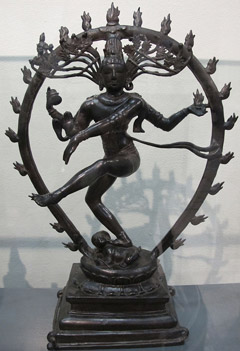
"How's the Enemy?" appeared in The Literary Review in 2013 (Vol.56 no.1, pp.147-156). The essay refers to the Shiva Nataraja, which depicts the Hindu deity Shiva as Lord of the Dance. It has been described by Titus Burckhardt as "the most prefect fruit of Hindu art." This image is by Sailko and can be found on Wikimedia Commons.
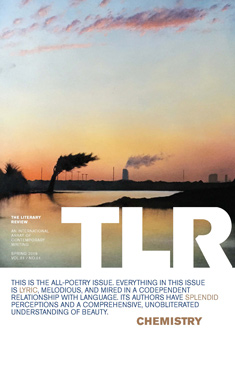
A third essay for The Literary Review, "Memory Sticks", was published in Vol.58 no.2 (2015), 154-162; a fourth, “Watchwords,” is in Vol. 61 no. 1 (Spring 2018), pp.201-215. This “Chemistry” edition of the journal is billed as “the all-poetry issue.” The editors evidently saw “Watchwords” as satisfying their stated criteria that: “Everything in this issue is lyric, melodious, and mired in a codependent relationship with language.”
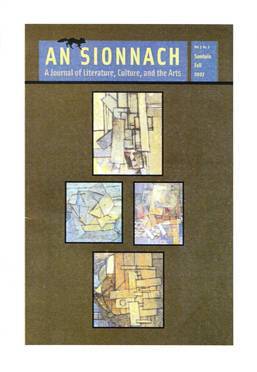
An Sionnach ("The Fox") is styled "A journal of literature, culture and the Arts". The closing essay in Words of the Grey Wind, "Waxwings", was first published here in the Fall 2007 issue (Vol.3 no.2, pp.126-145).
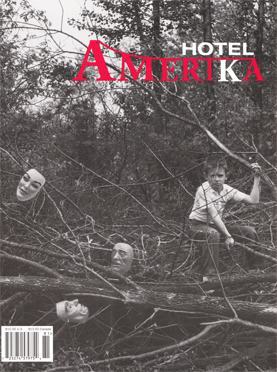
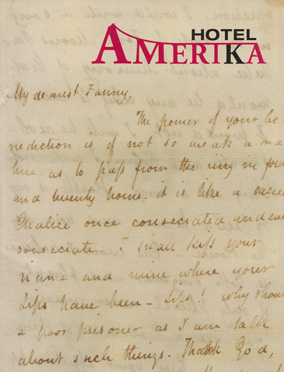
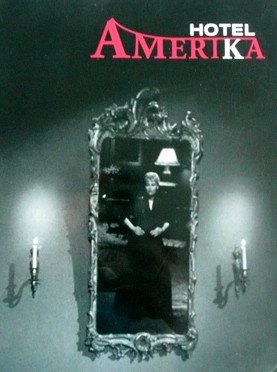
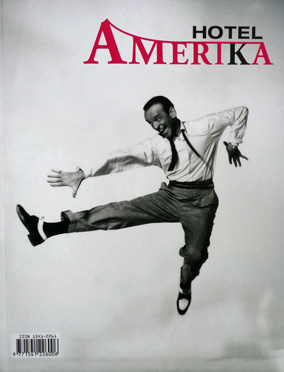

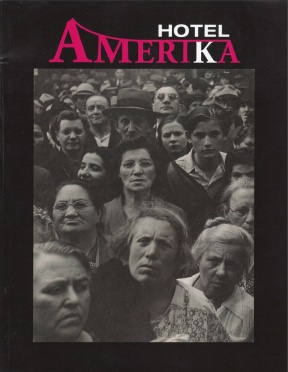
"Last Words", the final essay in Irish Elegies, was first published in Hotel Amerika, (Vol.6 no.1, Spring 2008, pp.63-71). "Looking Behind 'Nothing's' Door", one of the essays in On the Shoreline of Knowledge, appeared in the Spring 2012 issue (Vol.10 no.2, pp.91-98). "Containing Agostino" is in Vol.11 (Spring 2013), pp.93-98. "Crux" is in Vol.14 (Spring 2016), pp.77-84, “Thirty-six Ways of Looking at an Essay” in Vol.16 (Spring 2018), pp.94-97. “Ear Piece” is in the Spring 2019 issue (Vol.17 no. 1, pp. 109-116). David Lazar, founding editor of Hotel Amerika, created the nonfiction PhD programme at Ohio University. His edited collection, Truth in Nonfiction (University of Iowa Press, Iowa City: 2008), provides some interesting perspectives on the form. Professor Lazar is currently based at Columbia College Chicago.
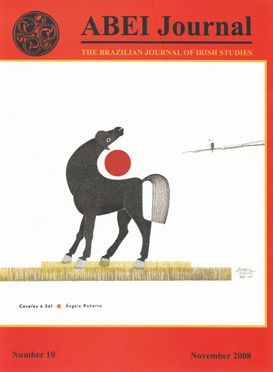
"How's the Form" and "Falling Memory" first appeared in the Brazilian Journal of Irish Studies (No.9, June 2007, pp.188-194; No.10, November 2008, pp.9-15). ABEI stands for Associação Brasileira de Estudos Irlandeses.
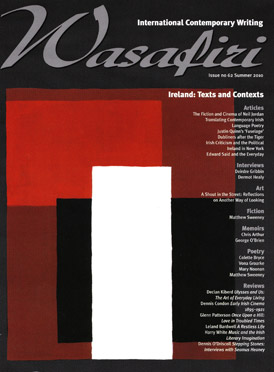
"Pencil Marks" was commissioned for the "Ireland: Texts and Contexts" issue of Wasafiri (Vol.25. no.2, Issue 62, Summer 2010), guest edited by Glenn Hooper and Gary Mckeone. Wasafiri describes itself as "Britain's premier magazine for international contemporary writing". The name of the journal is the Kiswahili word for 'travellers', and "captures our vision to focus on writing as a form of 'cultural travelling'". See wasafiri.org for further details.
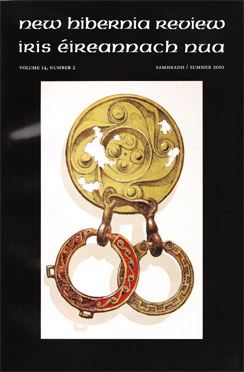
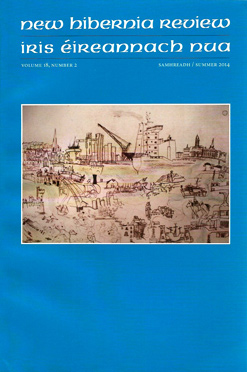
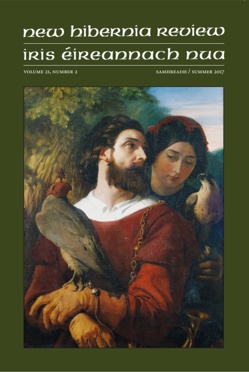
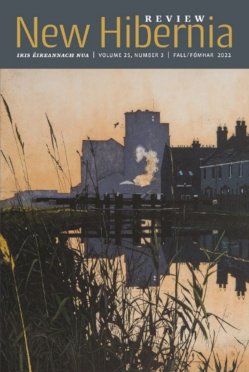
Birds are an important motif in Arthur's work — used in a metaphorical (or philosophical/symbolic), rather than straightforwardly ornithological way. Kingfishers, blackbirds, waxwings, corncrakes, woodpigeons and owls have all featured in his essays. "Level Crossing" continues this theme, this time focusing on gyrfalcons. This essay's key point of reference lies in a news item regarding the unexpected age of some gyrfalcon nesting sites: "Carbon dating revealed that one nest in Kangerlussuag in central-west Greenland is between 2,360 and 2,740 years old" (from a report by Matt Walker, posted on the BBC News website, June 17th 2009). "Level Crossing" was first published in the Summer 2010 issue of New Hibernia Review (Vol.14 no.2, pp.9-16), an Irish Studies journal with a strong tradition of publishing contemporary writing. Among the poets who publish in its pages are Michael Longley and Moya Cannon; among the essayists, Tim Robinson and Floyd Skloot. "Level Crossing" was subsequently included in On the Shoreline of Knowledge.
"Putting Two and Two Together" appeared in the Summer 2014 issue of New Hibernia Review (Vol.18 no.2, pp.9-20). The Nótaí na nEagarthóirí (i.e. Editors' Notes) say: "Chris Arthur stands as one of Ireland's most accomplished essayists, and no matter how far his writings may range, his native County Antrim is always near. In 'Putting Two and Two Together,' Arthur undertakes an exercise in what Arthur Koestler, in The Act of Creation, called 'bisociation' — the linking together of things that do not intuitively seem related. Each section of the essay opens with five such pairings, 'pentagrams' that lead Arthur into an unspooling sequence of links and reflections. Readers who know Arthur's writing will recognize his trademark fascination with the question of connectedness. Here, it is his own connection to a highly particular place — a Northern Irish farm called Hunters Hall that has woven in and out of his family history for generations — that provides both the anchor and the trigger for his thoughts."
A third essay for the New Hibernia Review, “Sleepers”, appeared in Summer 2017. In his Editor’s Notes for this issue James Silas Rogers says: “Ever since Montaigne, it has been a favorite strategy of personal essayists to take a simple object and use it as the point de départ for a much larger consideration. We open this issue with just such an offering from Chris Arthur, “Sleepers” — a patchwork rumination that begins with Arthur recalling the old railroad ties that, when he was a child in Antrim, his father would use for starting fires. Arthur comes to realize that there was “a lot more tied up in our fire than just providing warmth” — for, “along with the basic practicalities of fire-making I was imbibing a set of values that had nothing to do with chopping wood and arranging paper, sticks, and coal together.” With his characteristic open-endedness, Arthur’s reflections unpack the full range of associations linked with the humble domestic chore of lighting the stove.”
A fourth essay for the New Hibernia Review, “Particle Metaphysics”, appeared in the Fall 2021 issue (Vol. 25 Issue.3, pp.126-134).
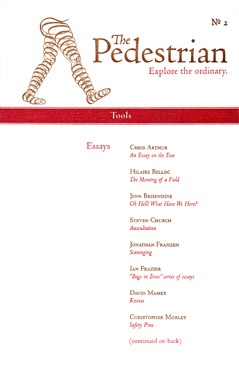
A characteristic of the essay is the presence of a self-reflexive thread that considers the nature of the genre in which the writing is being done. This thread can be seen in some of Arthur's work. "An Essay on the Esse" is his most sustained attempt to offer comment on the essay form. It was included in Irish Elegies and reprinted in issue 2 of The Pedestrian.
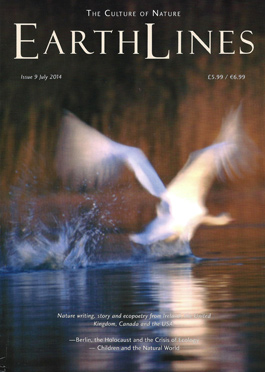
"How Many Words Do You Need to Describe a Woodpigeon?" appeared in the July 2014 issue of Earthlines, pp.32-36). The magazine has been described by Robert MacFarlane as "A real point of convergence for many thought-tributaries and philosophical paths". The essay continues to use a motif that's evident throughout Arthur's work. From "Kingfishers" and "The Last Corncrake" in Irish Nocturnes (1999), to "Waxwings" in Words of the Grey Wind (2009) and "Level Crossing" (about gyrfalcons) in On the Shoreline of Knowledge (2012), birds are used as a way into far more than simply ornithological complexities.
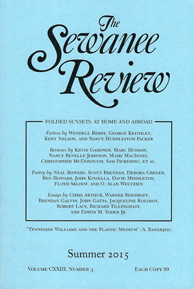
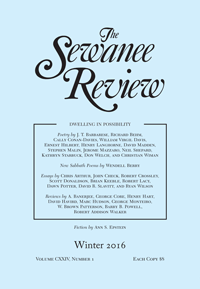
The Sewanee Review is America's oldest continuously published literary quarterly. The first issue appeared in 1892. Noted contributors include Hannah Arendt, W.H. Auden, Bertolt Brecht, Albert Camus, T.S. Eliot, William Faulkner, Robert Graves, Seamus Heaney, and Dylan Thomas. The first stories of Andre Dubus and Cormac McCarthy were published here. Two of Chris Arthur's essays have appeared in The Sewanee Review, "Describing a Thought-Path" (Vol.CXXIII no.3, 2015, pp. 447-461), which was awarded the journal's Monroe K Spears 2015 Essay prize, and "'Coincidences, Graces, Gifts': Seamus Heaney – a Personal Turas", Vol.CXXIV no.1, 2016, pp. 99-113.
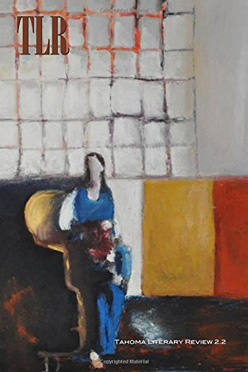
A journal based in the Pacific Northwest, but international in scope, one of the shortest essays in Arthur's output, "Glass", appeared in the Tahoma Literary Review in 2015 (Vol.2 no.2, pp. 126-130).
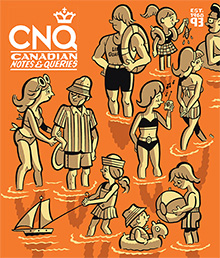
"When a Dog Barks Late at Night and Then Retires Again to Bed" was commissioned for a special re-reading issue of Canadian Notes & Queries, edited by Kim Jernigan (No.93, Summer 2015, pp.54-61). The essay is also available on the CNQ website.
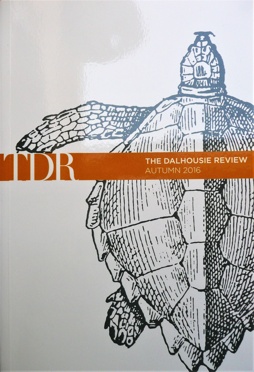
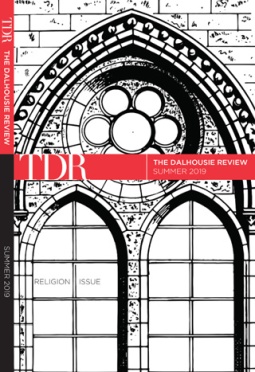
“Skimming” appeared in The Dalhousie Review, 96.3 (2016), pp.352-360; “Voice Box” in 99.2 (2019), pp.261-271. The Dalhousie Review has been in publication since its founding in 1921. It’s one of Canada’s oldest literary journals. TDR has close associations with Dalhousie University. It has published work by a range of writers, including: Chinua Achebe, Margaret Atwood, Owen Barfield, and Nadine Gordimer.
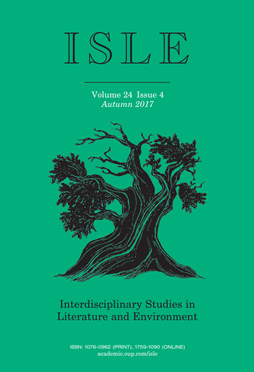
A version of “Leaf” — one of the essays included in Hidden Cargoes — was published in ISLE: Interdisciplinary Studies in Literature and Environment, Volume 24, Issue 4, (2017), Pages 803–819. The abstract is available here; the full text here.
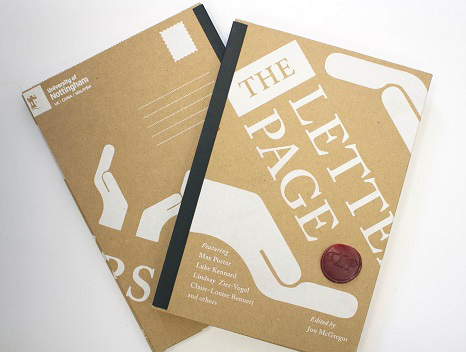
A short essay — “A Flotilla of Cards” — appeared in Vol.3 of The Letters Page, a literary journal in letters edited by John McGregor (If Nobody Speaks of Remarkable Things, Reservoir 13, etc).
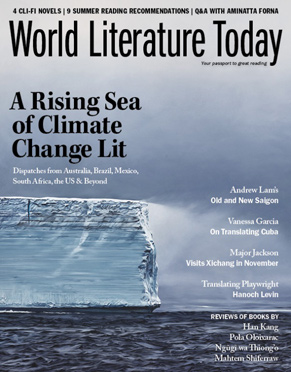
An essay for the climate change issue of World Literature Today, “Escaping Indoors” appeared in the journal’s Summer 2019 issue
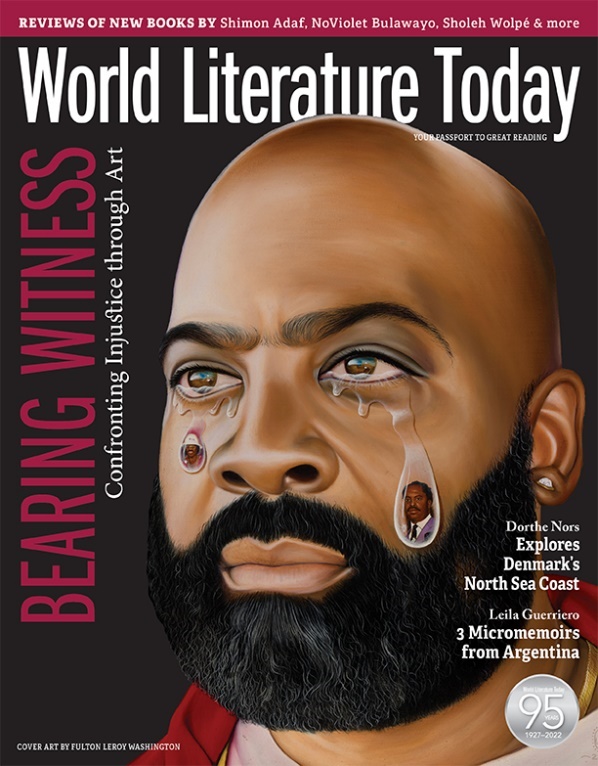
“Recent Essay Collections” appeared in the magazine’s regular “What to Read Now” feature in the September/October 2022 issue (pp. 8-9).
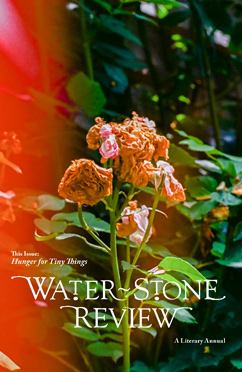
“Listening to the Music of a Vulture’s Egg” appeared in Water~Stone Review, Volume 23 (2020-2021), pp. 41-53. A PDF of the full essay is available here.
An interview with one of the Water~Stone Review’s editors, in the journal’s “In the Field: Conversations with Our Contributors” series, is also available here.
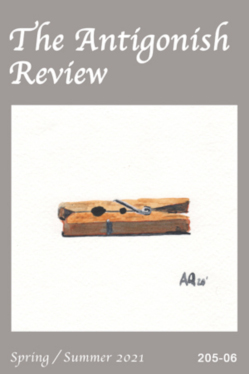
“Letters” appeared in The Antigonish Review, Vol.51 nos. 205-206, Summer 2021, pp. 33-41
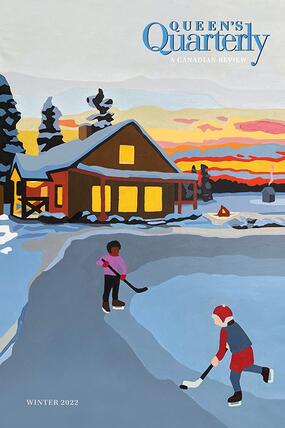
“Litmus Test” appeared in Queen’s Quarterly (Canada), Winter 2022, pp.490-499
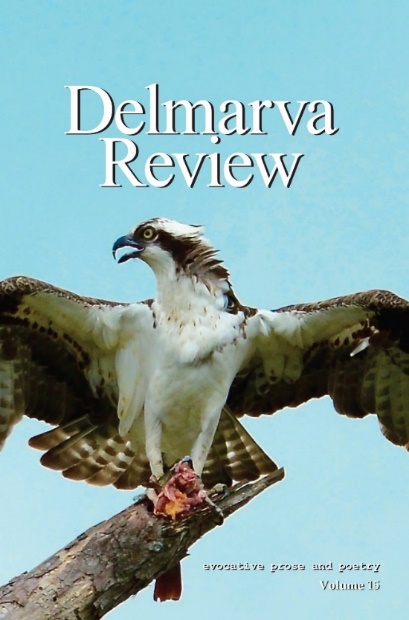
“Remembering Stranathan’s” appeared in the Delmarva Review, Vol.15 November/December 2022, pp.117-126. The essay is also included in The Best of Delmarva Review 2008-2023.

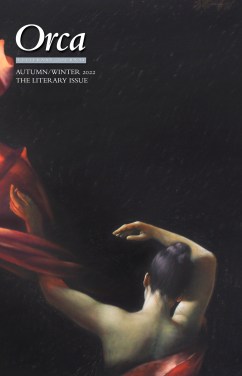
“Seeing Starlings” appeared in Orca, Issue 12, autumn/winter 2022, pp.91-99. A version of this essay was shortlisted for the Anne Smith Essay Prize in 2024.
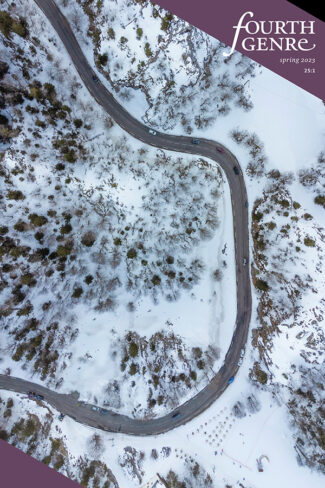
“A Kist o’ Whistles” appeared in Fourth Genre, Vol. 25 no.1 (Spring 2023), pp 147-158
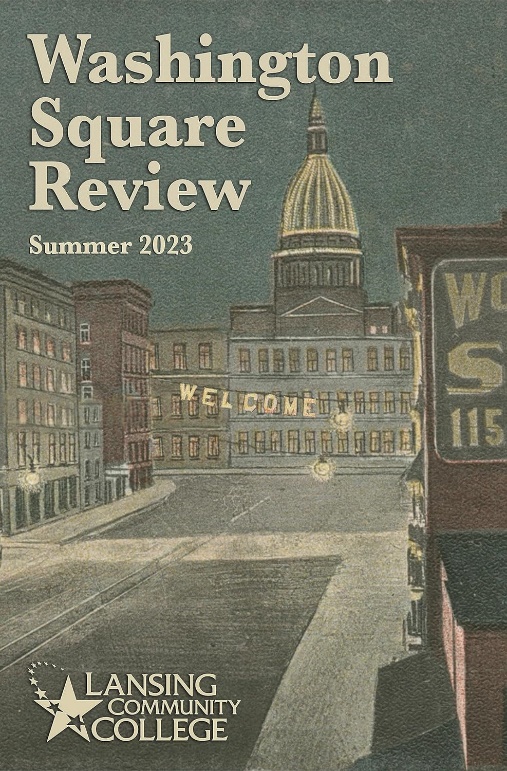
“Letters from the Dead” appeared in the Washington Square Review, Summer 2023, pp.16-19
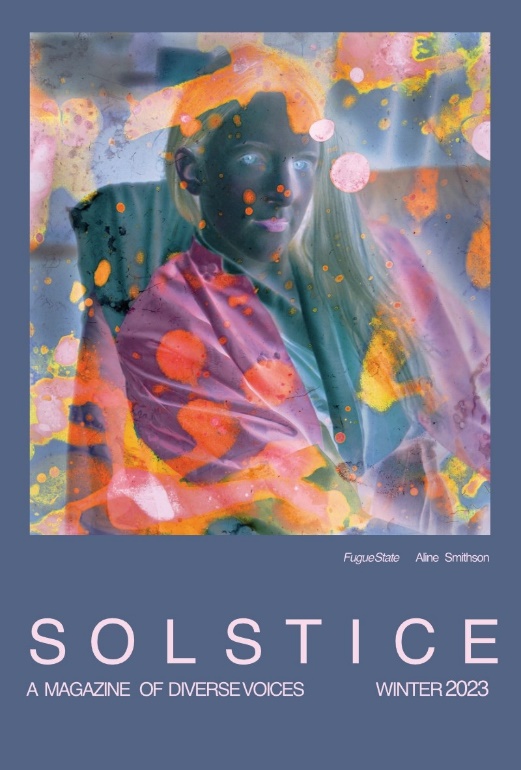
“A Reading List for Laura” appeared in Solstice magazine, Winter 2023, pp.58-71

“Hototogisu Haunting” appeared in the summer 2024 issue of Solstice and was awarded the magazine’s Michael Steinberg Nonfiction Prize. The image above is from “Perfect Imperfections,” the portfolio of photographs by Angel Colmenares included in this issue of the magazine.

“Unwholly Other” appeared in the Potomac Review, Vol.76, pp.146-160, special themed issue on “The Other,” Spring 2025.
Among the online journals in which Chris's essays have appeared are:
Hektoen International: A Journal of Medical Humanities
"Matters of the Heart" was published in their Spring 2016 issue. The essay focuses on the life and work of Ulsterman Frank Pantridge, inventor of the mobile defibrillator. “Blood Mnemonics”, which appeared in the Fall 2019 issue, looks at Henri Dunant and the work of the Red Cross.
Hippocampus
According to its website, "Hippocampus Magazine's three-fold mission is to entertain, educate and engage readers and writers of creative nonfiction". The magazine also runs an annual creative nonfiction conference. It launched a small press in 2016. Appropriately for a magazine that's interested in memoir, its name is taken from the part of the brain where long-term memories are formed. "Shells" appeared in January 2016. This is how the essay starts: "Two photographs of my Uncle Tony are the obvious place to begin. One shows him in an open grave with another man. In the second, he's being embraced by a vampire."
Green Mountains Review
Based at Johnson State College, Vermont, the GMR is a well established literary magazine publishing poetry, fiction, creative nonfiction, literary essays, interviews, and book reviews. Work appearing in the GMR is regularly selected or cited in the Best American series. "Darwin's Fox" went live on July 29 2016.
Dundee University Review of the Arts
“A Blind-Spot in the Ornithology of Letters”
Essay Daily’s International Essayists’ Column
Terrain.org: A Journal of the Built and Natural Environments
“Images of Hallow Hill: Exploring the Meaning of a Place”
Tinteán
“Prisoners of Memory”, posted on April 6 2018
Dublin Review of Books
“A Line Made by Reading”, posted on June 1 2018
Northwords Now
“Sparrowhawk Theology” is in issue 37 (2019), pp.8-9, “Zen and the Art of Catching Birds in Words” is in issue 39 (2020), pp.6-7. Both essays are accompanied by artwork from Vawdrey Taylor.
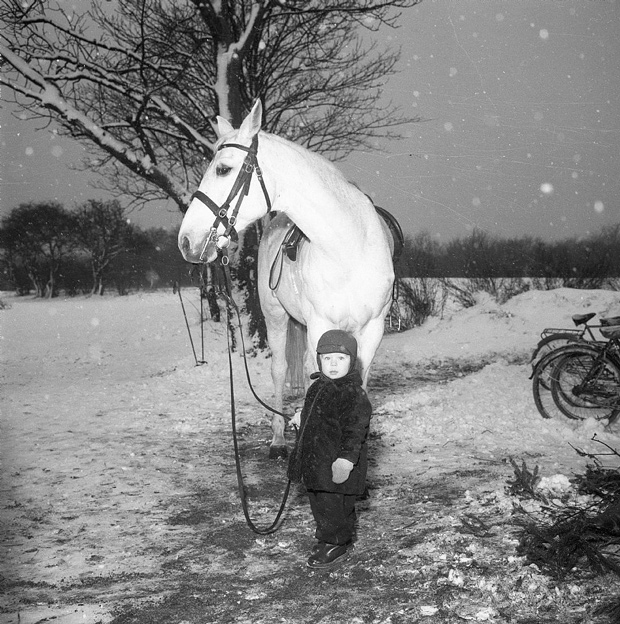
“What is it Like to be Alive?” is in issue 41 (2021), pp.14-15. The essay focuses on a haunting photograph of a small boy holding the reins of a white horse. The picture was taken by Swedish photographer Anders Hilding in 1958.
Media Development
“Actions, Consequences, Remembrances: Reflections on the Coronavirus Pandemic”, Vol.66 no. 4 (2020), pp.5-8
The Montreal Review
“In the Stomach of a Termite”, The Montreal Review, July 2021
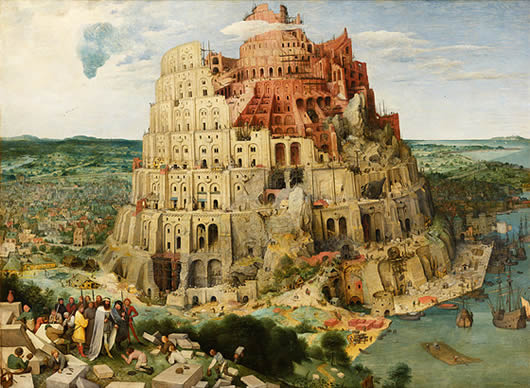
Appropriately, given its emphasis on language, this essay is illustrated with Bruegel’s painting “The Tower of Babel”.
“Picturing the Day” appeared in the September 2021 issue of Cutleaf. It is also included in Cutleaf Reader: Vol. 1
“Splinter” appeared in the Winter 2021 issue of The Adirondack Review
“Encountering the Shiva Nataraja” appeared on The Curator Magazine website in July 2022
“A Lament for Tama” appeared in issue 3 of Taint Taint Taint, and was one of the nominees for the magazine’s 2022 James Baldwin Literary Award
“Corncrake Cameos” is due to appear in New Hibernia Review, “Whaup Letter” in Northwords Now, and “Bright Side Blues” in Cutleaf.
In addition to journal publication, Chris has also contributed to various books. Three examples are:
(1) “Line Drawing”, a chapter co-written with artist Graham Johnston, is in Gail Low & Kirsty Gunn (eds), Imagined Spaces, The Voyage Out Press, Dundee: 2020, pp. 28-43.
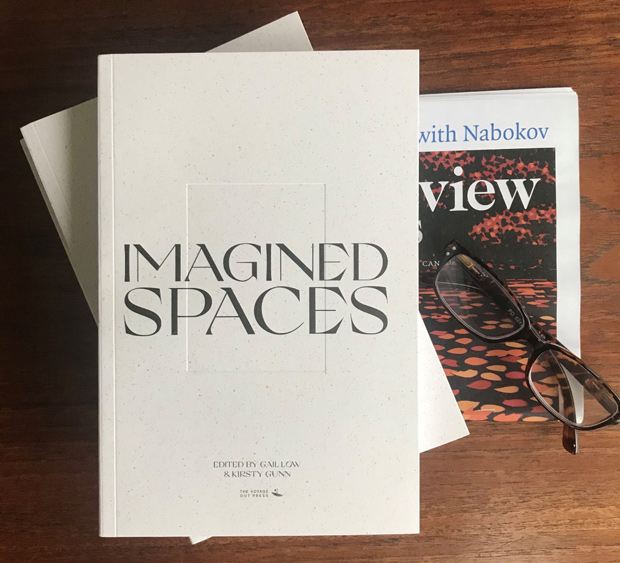
A video explaining the nature of this collaborative volume is available here. The book is distributed by Saraband Books. Their website includes this description:
“Our everyday senses supply only a small fraction of what we actually perceive – the rest is filled in by what we think we already know, or have learnt from newspapers and magazines, and other media. So how much of our experience is really thought about, felt and reflected upon? This ground-breaking anthology asks us to consider the space between the known and the unknown, between fact and the imagination, between the external and the internal. In words and images that explore our environment and culture, that reflect on literary and artistic creation, mortality, mental wellness, home and belonging, Imagined Spaces returns the essay to its original activity of having a go, trying and weighing something out, taking a risk.”
(2) “Footnotes” in The Voyage Out: An International Anthology of Writing, Art and Science, edited by Kirsty Gunn and Gail Low (The Voyage Out Press, Dundee: 2016). The book was launched at a reception aboard R.R.S. Discovery, now permanently berthed in Dundee, the ship on which Scott sailed to the Antarctic in 1902. Other essays in The Voyage Out include “Ghostlines” by Robert MacFarlane (author of Landmarks, The Old Ways, The Wild Places etc). The photos below feature the book and its launch on R.R.S. Discovery.


For some review comment on The Voyage Out — focusing on “Footnotes” in particular — see:
- Aveek Sen, “The Sea, the Sea”, in The Telegraph (Calcutta)
- Mandy Haggith, “The Long Haul Towards Lucidity”, in Northwords Now (according to Haggith: “The stand out is Chris Arthur’s spellbinding essay ‘Footnotes’, beautifully written and philosophically far-reaching from his starting point of his daughter’s feet.”)
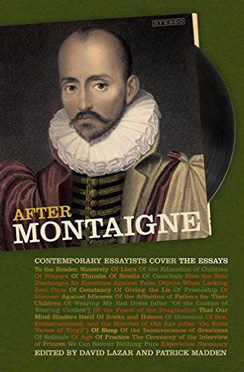
(3) "Of Solitude" in After Montaigne, edited by Pat Madden and David Lazar, University of Georgia Press 2015. The editors say this about the book: "Though it's been over four hundred years since he began writing his essays, Montaigne's writing is still fresh, and his use of the form as a means of self-exploration in the world around him reads as innovative — even by modern standards. He is, simply put, the writer to whom all essayists are indebted. Each contributor has chosen one of Montaigne's 107 essays and has written his/her own essay of the same title and on the same theme, using a quote from Montaigne's essay as an epigraph. The overall effect is akin to a covers album, with each writer offering his or her own interpretation and stylistic verve to Montaigne's themes in ways that both reinforce and challenge the French writer's prose, ideas, and forms. Featuring a who's who of contemporary essayists, After Montaigne offers a startling engagement with Montaigne and the essay form while also pointing the way to the genre's potential new directions." Chris's "Of Solitude" is on pp.183-194.
For some review comment see: Robert Lunday, “The Sincerest Form of Flattery”, in River Teeth: A Journal of Nonfiction Narrative
"[The essay] is both fragmentary and complete in itself, capable both of standing on its own and of forming a kind of 'higher organism' when assembled with other essays by its author."
Richard Chadbourne